
"coconut civet"
300 article(s) found

Very thick and mellow Indonesian civet coffee flavor taste manor characteristic boutique coffee introduction
Kopi Luwak is produced by the feces of Indonesian coconut cats (a kind of civet) as raw materials, so it is called Kopi Luwak. This kind of animal mainly feeds on coffee beans. After completing fermentation in the coconut cat's stomach, it destroys proteins, produces short peptides and more free amino acids, reduces the bitterness of coffee, and then excretes feces as the main raw material. Because coffee beans cannot be digested, they will be

Mature and sweet Kopi Luwak grind taste introduction to the flavor description characteristics of fine coffee in producing areas
Kopi Luwak is produced by the feces of Indonesian coconut cats (a kind of civet) as raw materials, so it is called Kopi Luwak. This kind of animal mainly feeds on coffee beans. After completing fermentation in the coconut cat's stomach, it destroys proteins, produces short peptides and more free amino acids, reduces the bitterness of coffee, and then excretes feces as the main raw material. Because coffee beans cannot be digested, they will be
Introduction to the characteristics of Indonesian civet coffee flavor and taste manor area
Eighty-five percent of Kopi Luwak on the market is fake, and many coffee companies label regular coffee as cat shit to bid up prices. Even if it comes from real cat shit, it is basically the product of industrial production. It is almost impossible for coconut cats to be omnivores. In addition to eating seeds for a living, they also eat insects, snakes, birds, amphibians and reptiles. So really wild coconut cats.
Cat droppings Musk Coffee Flavor description planting Environment growth region Culture fermentation process Source Price introduction
Coconut cats are omnivores. In addition to eating seeds, they also eat insects, snakes, birds, amphibians and reptiles, so the feces discharged by really wild coconut cats will be mixed with all kinds of substances. Local farmers in Indonesia catch coconut cats to raise them and feed coffee beans to make them. But after all, there are some differences between artificial cultivation and natural ones. Civet coffee
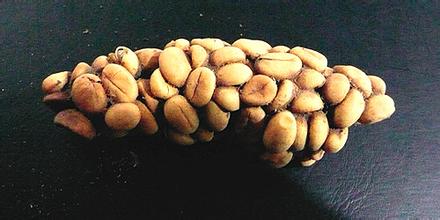
Introduction to fine coffee: Civet coffee is also known as "cat poop coffee"
Cat poop coffee is produced from the feces of Indonesian coconut cats (a civet cat), so it is called cat poop coffee. This kind of animal mainly feeds on coffee beans. After fermentation in the coconut cat stomach, protein is destroyed, short peptides and more free amino acids are produced, the bitter taste of coffee will be reduced, and the feces discharged will be the main raw material. Since coffee beans cannot be digested, they will be digested.
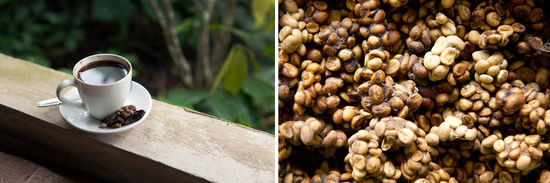
The "unexpected popularity" of cat poop coffee It's time for us to look at civet coffee correctly
Cat poop coffee, is this shit really worth that much? Tony Wild was the first person to bring cat poop coffee into the public eye, and now he's calling for us to boycott this luxury. Cat poop coffee, also known as Nuwak coffee, is arguably the most expensive coffee in the world. Photo by Shutterst

Introduction of Fine Coffee beans in Indonesian Musk Coffee Manor
Kopi Luwak is produced by the feces of Indonesian coconut cats (a kind of civet) as raw materials, so it is called Kopi Luwak. This kind of animal mainly feeds on coffee beans. After completing fermentation in the coconut cat's stomach, it destroys proteins, produces short peptides and more free amino acids, reduces the bitterness of coffee, and then excretes feces as the main raw material. Because coffee beans cannot be digested, they will be
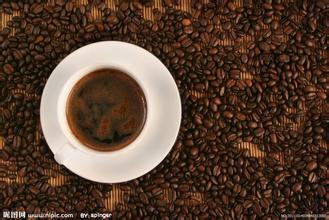
Indonesian Fine Coffee Indonesian Coffee Flavor Manor introduces Manning Fine Coffee beans
In particular, there is a special kind of animal in the Indonesian mountains: the civet, because it makes Indonesia produce almost the most expensive coffee in the world-civet coffee, also known as Kopi Luwak. This kind of cat likes to eat coffee berries, and hard coffee beans are eventually excreted because they are indigestible. During the period of passing through the digestive tract, coffee beans are fermented to produce a unique and complex
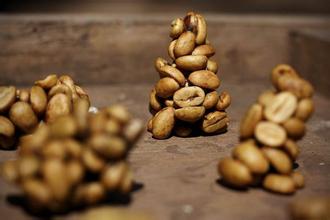
The latest introduction of boutique coffee beans, civet coffee, fine coffee
Kopi Luwak is produced by the feces of Indonesian coconut cats (a kind of civet) as raw materials, so it is called Kopi Luwak. This kind of animal mainly feeds on coffee beans. After completing fermentation in the coconut cat's stomach, it destroys proteins, produces short peptides and more free amino acids, reduces the bitterness of coffee, and then excretes feces as the main raw material. Because coffee beans cannot be digested, they will be

Introduction to the characteristics of Indonesian boutique coffee civet coffee flavor and taste manor area
The male of the cat has a pair of well-developed cystic aromatic glands near the perineum under the anus, and the male opens a pear-shaped sachet between the testis and the penis. There is a longitudinal crest in the front of the inner wall and 3-4 folds on both sides. There are two deep and large depressions on each side, with short hairs on the inner wall; the sachet opened by the female is mostly square, and there is only one in the middle of the inner wall.

Boutique coffee beans civet coffee boutique coffee flavor introduction full of taste
Kopi Luwak is produced by the feces of Indonesian coconut cats (a kind of civet) as raw materials, so it is called Kopi Luwak. This kind of animal mainly feeds on coffee beans. After completing fermentation in the coconut cat's stomach, it destroys proteins, produces short peptides and more free amino acids, reduces the bitterness of coffee, and then excretes feces as the main raw material. Because coffee beans cannot be digested, they will be

The origin of fine musk Kopi Luwak Kopi Luwak how much is Kopi Luwak a jin of Indonesian Kopi Luwak
Kopi Luwak is made in Indonesia. In the early 18th century, the Dutch established coffee plantations in the Indonesian colonies of Sumatra and Java, and banned locals from picking and eating their own coffee fruits. Indonesian locals inadvertently found that civets love to eat these coffee fruits and will drain the beans intact when defecating. The civet can only pick the most familiar.

Indonesian cat shit coffee flavor taste region Manor introduction Sumatra coffee region Rasuna Wahana
In particular, Indonesia has a special animal in the mountains: the civet, because it makes Indonesia produce one of the world's most expensive coffees-civet coffee, also known as cat poop coffee. The cat loves coffee berries, and the hard coffee beans end up being excreted because they can't be digested. During its passage through the digestive tract, coffee beans undergo fermentation to produce a unique and complex

US media reveals cat feces coffee industry chain: civet cats are generally enslaved and abused
Traditionally, cat poop coffee is made from coconut cat waste collected in the wild. But its high price has led to wild civets being captured and kept in captivity on coffee plantations. A recent report published in the journal Animal Protection assessed the survival of 48 civet cats on 16 plantations. The cat poop coffee industry is a slavery industry.
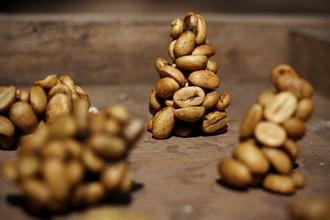
Boutique coffee bean musk cat coffee the latest coffee introduces a unique flavor
Civet Coffee (Kopi Luwak), native to Indonesia. It is one of the most expensive coffee in the world, with a price of several hundred dollars per pound. It is extracted from the feces of the civet and processed. The civet eats the ripe coffee fruit and is excreted through the digestive system. After it is fermented through the stomach, the coffee produced has a special taste and has become a grab in the international market.
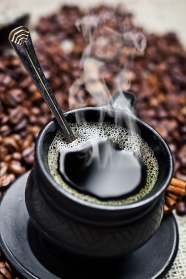
The price of Kopi Luwak coffee the origin of Kopi Luwak's culture Kopi Luwak
Gourmet coffee has soft acidity and attractive aroma, which is absolutely worth enjoying. Coffee exports from Tanzania (Tanzania) play an important role in the whole national economy. Bean-shaped berry coffee is very productive and is said to be more fragrant than ordinary coffee. Generally speaking, the coffee beans in Tanzania have an extraordinary quality. For example, in the neighborhood of Kilimanja
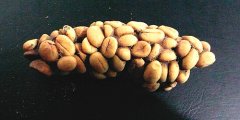
Introduction to boutique coffee beans-- Kopi Luwak Kopi Luwak characteristics Kopi Luwak flavor cat
Civet Coffee (Kopi Luwak), native to Indonesia. It is one of the most expensive coffee in the world, with a price of several hundred dollars per pound. It is extracted from the feces of the civet and processed. The civet eats the ripe coffee fruit and is excreted through the digestive system. After it is fermented through the stomach, the coffee produced has a special taste and has become a hot spot in the international market.
How much is Kopi Luwak how much is a jin of death wish Coffee Kopi Luwak Origin of Indonesian Kopi Luwak
Kopi Luwak is produced by the feces of Indonesian coconut cats (a kind of civet) as raw materials, so it is called Kopi Luwak. This kind of animal mainly feeds on coffee beans. After completing fermentation in the coconut cat's stomach, it destroys proteins, produces short peptides and more free amino acids, reduces the bitterness of coffee, and then excretes feces as the main raw material. Because coffee beans cannot be digested, they will be

Cat shit Coffee Bean Origin Manor Incht Manor Indonesia
Tim Carman, a food columnist for the Washington Post, commented on Kopi Luwak sold in the United States and concluded that it tasted like Folger coffee. It's like rotten, lifeless taste. It's like petrified dinosaur shit in bath water. I can't finish it. The civet likes to choose the most ripe, sweet, juicy coffee fruit in the coffee tree as food.

Kopi Luwak Source Indonesian Kopi Luwak Flavor characteristics Fine Coffee beans Kopi Luwak introduction
Sulawesi's old name is Celebes, and the most common famous coffee is the Toraja Taraga coffee beans produced in the center of the island. Toraya is very similar to the first-class Sumatra, except that the texture is slightly less rich, acidity and brightness are also slightly higher, as for the famous wild mushroom flavor and meticulous herbal flavor of Indonesian coffee. Indonesia Sulawesi Carosi Sulaw